
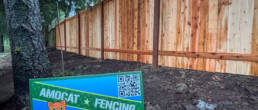
Cedar fences are a favorite across Tacoma and the South Sound for good reason. They look great, they hold up for years, and they bring a natural warmth to a property that other materials simply can’t match. But like any wood fencing, cedar needs a bit of seasonal care to stay looking its best, and winter in the Pacific Northwest brings a specific set of challenges. Heavy rain, freeze-thaw cycles, and long stretches without much sun can all take a toll on wood over time.
If you want your cedar fence to keep its color, its strength, and its curb appeal through the wet months, a little attention before and during winter goes a long way. Below, we’re sharing what homeowners should know about protecting cedar fencing this time of year, along with practical maintenance steps that make a real difference and can help you avoid costly repairs down the road. Whether your fence is brand new or has been in place for a decade, the same basics apply.
Why Pacific Northwest Winters Are Tough on Cedar Fences
Cedar is naturally resistant to rot and insects, which is part of why it’s such a popular choice for homeowners across Tacoma and the surrounding area. That natural resistance doesn’t mean cedar is immune to the effects of a long, wet winter, though. Months of steady rain can gradually wear down a fence’s protective finish, allowing moisture to soak into the wood instead of shedding off the surface the way it should.
Freeze-thaw cycles add another layer of stress. When moisture works its way into small cracks or checks in the wood and then freezes, it expands and can widen those cracks over time. Add in wind, standing water near posts, and shorter days that mean less sun exposure to help wood dry out between storms, and it’s easy to see why cedar fences need a bit of extra attention heading into the colder months.
Fences that face west or sit in low-lying, shaded parts of a yard tend to hold moisture longer than sections that get more sun and airflow, so it’s worth paying closer attention to those areas specifically. The good news is that most winter wear is preventable. A fence that’s inspected, cleaned, and sealed before the rainy season tends to come through winter looking almost the same as it did in the fall.
Inspect Your Fence Before the Rainy Season Hits
A pre-winter inspection is one of the simplest ways to catch small problems before they turn into bigger repairs. Walking the full length of your fence line takes only a few minutes and can save a lot of hassle later on, especially since many early warning signs are easy to spot but easy to overlook if you’re not specifically looking for them. This is also a good time to think about whether your current cedar fence installation is holding up the way it should, or whether certain sections may need attention before winter sets in.
What to look for during your walkthrough:
- Loose, warped, or split boards
- Posts that feel wobbly or shift when pushed
- Areas where the stain or sealant looks faded, chalky, or worn
- Gaps where water tends to pool at the base of the fence
- Hardware, hinges, or gate latches showing rust or wear
- Gate alignment issues, since shifting posts often show up here first
If you spot any of these issues, it’s much easier to address them in the fall than after weeks of rain have already made things worse. Even small fixes, like tightening a loose bracket, resetting a shifted board, or clearing debris from along the base, can extend the life of your fence significantly and make the rest of your winter prep easier.
Cleaning and Sealing Tips for Winter-Ready Cedar
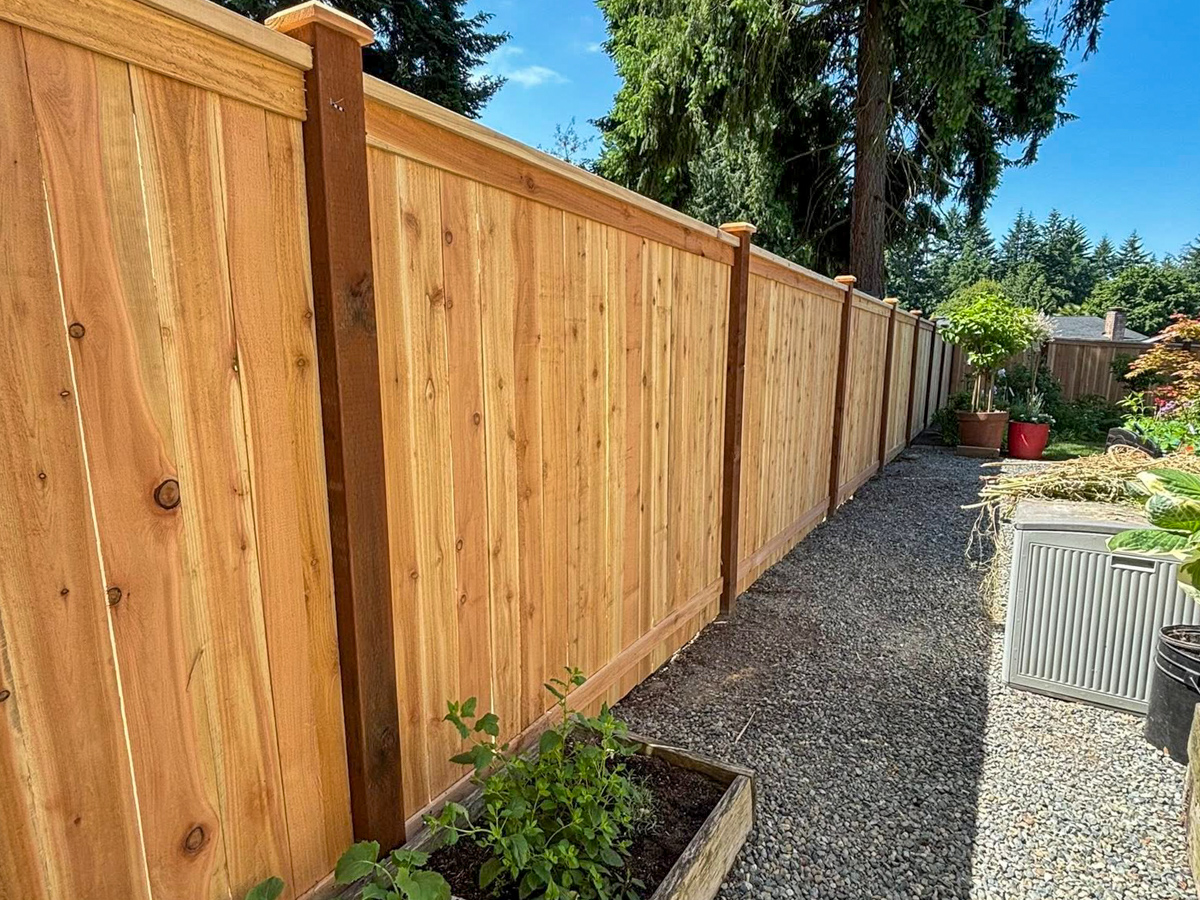
Once you’ve inspected your fence, cleaning and resealing are the next steps in preparing it for the season ahead. A build-up of dirt, moss, or mildew can trap moisture against the wood, so a gentle cleaning before winter helps the fence dry out fully and gives any new sealant a clean, even surface to bond to.
For most homeowners, a soft wash with a mild cleaner and a garden hose is enough to remove surface grime without damaging the wood. Avoid high-pressure washing on cedar, since too much pressure can strip away the surface fibers, roughen the grain, and leave the wood more vulnerable to moisture rather than better protected.
After cleaning and letting the fence dry completely, usually a full day or two depending on the weather, a fresh coat of sealant or stain adds a protective barrier against rain and humidity. If your fence hasn’t been resealed in the last couple of years, or if water no longer beads on the surface when it rains, that’s usually a sign it’s due. For more involved repairs or upgrades beyond a simple refresh, our custom fencing services can help address sections that need extra attention or a different approach altogether.
Choosing the Right Sealant for a Wet Climate
Not all sealants and stains perform the same way once the rain sets in, so it’s worth taking a moment to choose a product suited to our climate rather than grabbing whatever is on the shelf. A good water-repellent sealant should be labeled for exterior wood and rated to resist standing moisture, not just occasional splashes, since Pacific Northwest winters mean prolonged exposure rather than the odd rainstorm.
A few things to keep in mind when selecting a product:
- Look for a semi-transparent or solid stain with built-in water repellency
- Choose a product formulated for cedar specifically, since it’s absorbed differently than pine or composite
- Check the application temperature range, since many sealants shouldn’t be applied below a certain temperature
- Plan application for a stretch of dry weather, ideally with at least 24 to 48 hours before rain returns
Applying the wrong product, or applying the right product at the wrong time, is one of the most common reasons a fresh coat of stain doesn’t hold up as long as expected. Taking a bit of extra care at this step usually pays off with a finish that lasts through several rainy seasons instead of just one.
Protecting Posts and Hardware from Moisture Damage
Fence posts take on more moisture stress than almost any other part of the structure, especially where they meet the ground. This is one of the most common areas we see problems develop for homeowners throughout Puyallup and other nearby South Sound communities, particularly on older fences or ones installed without proper drainage in mind.
A few ways to protect posts and hardware through winter:
- Make sure soil grades away from posts so water doesn’t pool at the base
- Clear leaves, mulch, and debris that trap moisture against wood
- Check that post caps are secure and free of cracks
- Lubricate hinges and latches to help prevent rust from settling in
- Trim back plants or landscaping that keep sections of the fence shaded and damp
- Keep sprinkler heads angled away from fence lines where possible
Simple upkeep in these areas helps prevent the kind of slow, hidden damage that often goes unnoticed until a post starts to lean or a gate stops closing properly. Catching these issues early is almost always less expensive than replacing a post that’s been compromised by months of standing moisture.
When to Call in a Professional for Repairs or Restaining
Some maintenance tasks are well suited to a DIY weekend project, but others are worth handing off to a professional. If you’re noticing widespread wear across multiple sections, structural issues with posts, or a finish that’s peeling rather than simply fading, it’s usually more cost-effective to bring in an experienced team rather than tackle repairs piecemeal one board at a time.
A professional restaining also tends to hold up longer than a DIY application, since it accounts for proper prep, drying time, and product selection based on your fence’s age, exposure, and overall condition. A trained crew can also spot early warning signs, like soft spots near the base of a post or hairline cracks along the top of a board, that are easy to miss during a quick homeowner walkthrough. If cost is a concern, it’s worth knowing that financing options are available to help spread out the investment in keeping your fence in top shape without putting off necessary work.
Regular professional check-ins, even every couple of years, can also help you plan ahead for larger projects, like extending a fence line, adding a gate, or replacing sections that have reached the end of their lifespan, before small issues turn into expensive ones. It’s often easier to budget for planned maintenance than to react to a fence that’s failed unexpectedly.
Quick Winter Fence Maintenance Checklist
Before the rainy season fully sets in, run through this quick checklist to make sure your cedar fence is ready for what’s ahead:
- Walk the fence line and check for loose boards, wobbly posts, and worn hardware
- Clean off dirt, moss, and debris with a gentle wash
- Reseal or restain if water no longer beads on the surface
- Improve drainage around posts and clear away trapped debris
- Trim back nearby landscaping to improve airflow and sun exposure
- Schedule a professional inspection if you notice widespread wear
Taking care of these steps now sets your fence up to handle whatever the season brings, while helping you avoid bigger repairs down the road. A little consistency each year is really all it takes to keep a cedar fence looking great well beyond its first few winters. For more background on how a well-maintained fence supports both privacy and property value, our residential fencing guide is a helpful next read.
Ready to Prep Your Fence for Winter?
Whether your cedar fence just needs a quick refresh or it’s time for a more thorough repair, our team is here to help homeowners throughout Tacoma and the South Sound keep their fences in great shape all year round. We’ll take a look at your fence, walk you through your options honestly, and help you decide what makes the most sense for your property and your budget, with no pressure either way. Get a Free Estimate today and let’s make sure your fence is ready for whatever winter brings.
Ready for a Fence Expert’s Opinion?
Get in touch with Amocat Fencing today for honest guidance, quality craftsmanship, and a free, no-pressure estimate for your residential or commercial fence project.
Like this article? Spread the word!
Related Posts
Wood vs. Composite Fencing: Cost, Maintenance, and Curb Appeal Compared
Wood vs. composite fencing: compare cost, maintenance, and curb appeal for your Tacoma…
How to Budget for a New Fence in Puyallup
Planning a new fence in Puyallup, WA? Learn what affects fencing costs, compare…

Residential Fence Installation in Tacoma, WA: Expert Solutions for Privacy, Security, and Lasting Property Value
Expert residential fence installation in Tacoma, WA and Pierce County. Amocat Fencing…